Hypnotic AI
Hypnotic AI is an evolving artwork, patented technology, and artistic research platform exploring altered states between humans and artificial intelligence.
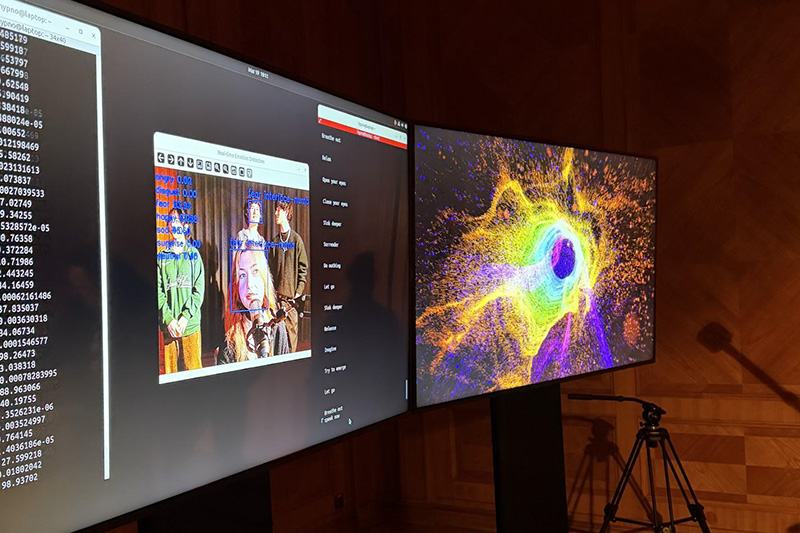
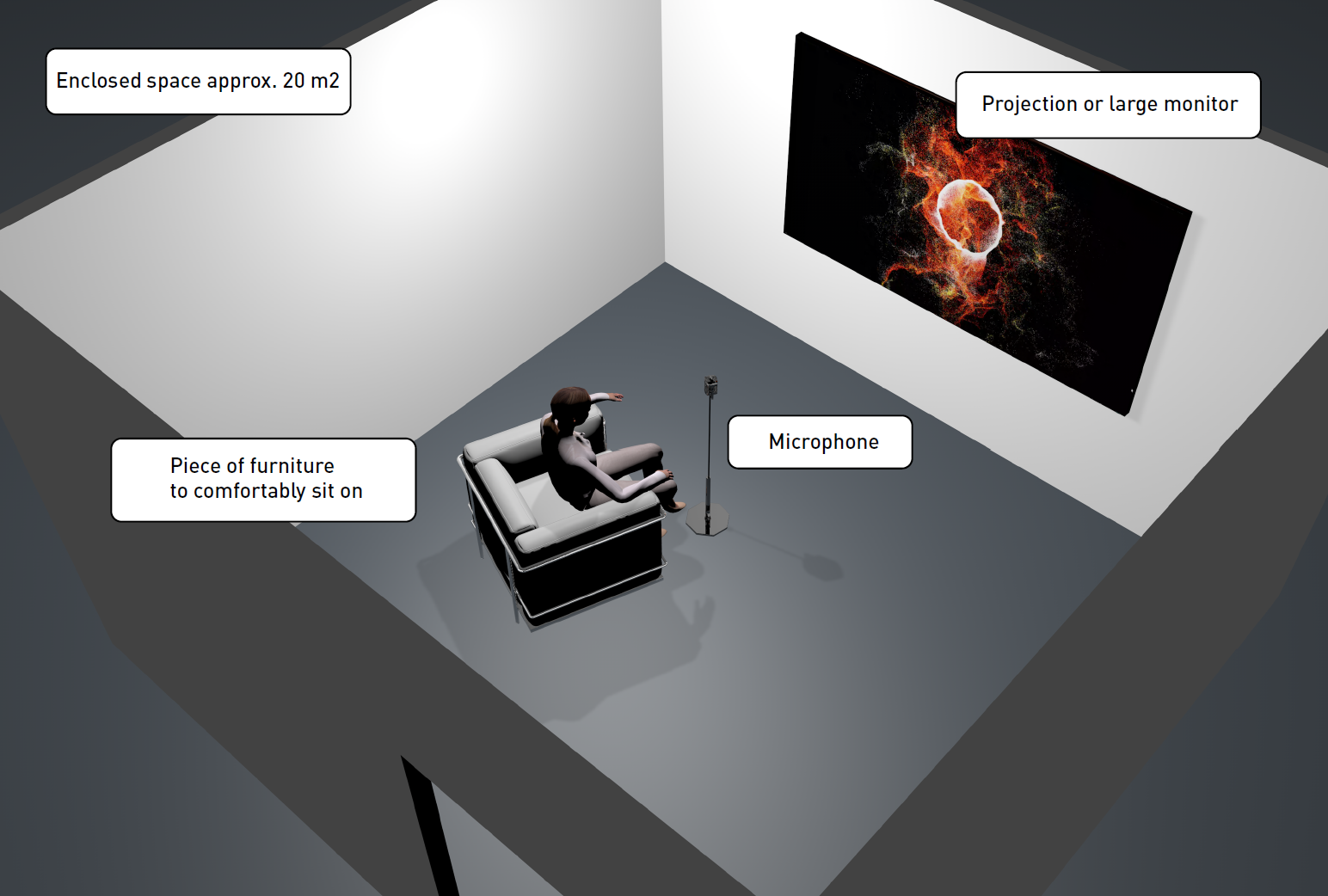
At its core, Hypnotic AI is an interactive installation that stages a hypnotic encounter between a human participant and an artificial intelligence. It investigates AI as a fundamentally different form of intelligence, producing responses through abstraction, unpredictability, and generative visual processes instead of mimicking a human therapist or conversational partner.
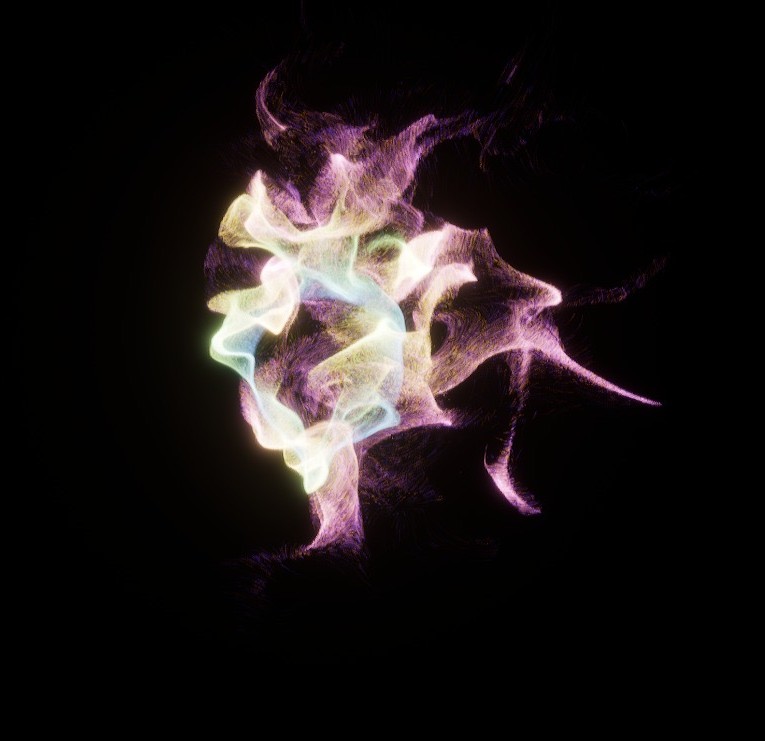
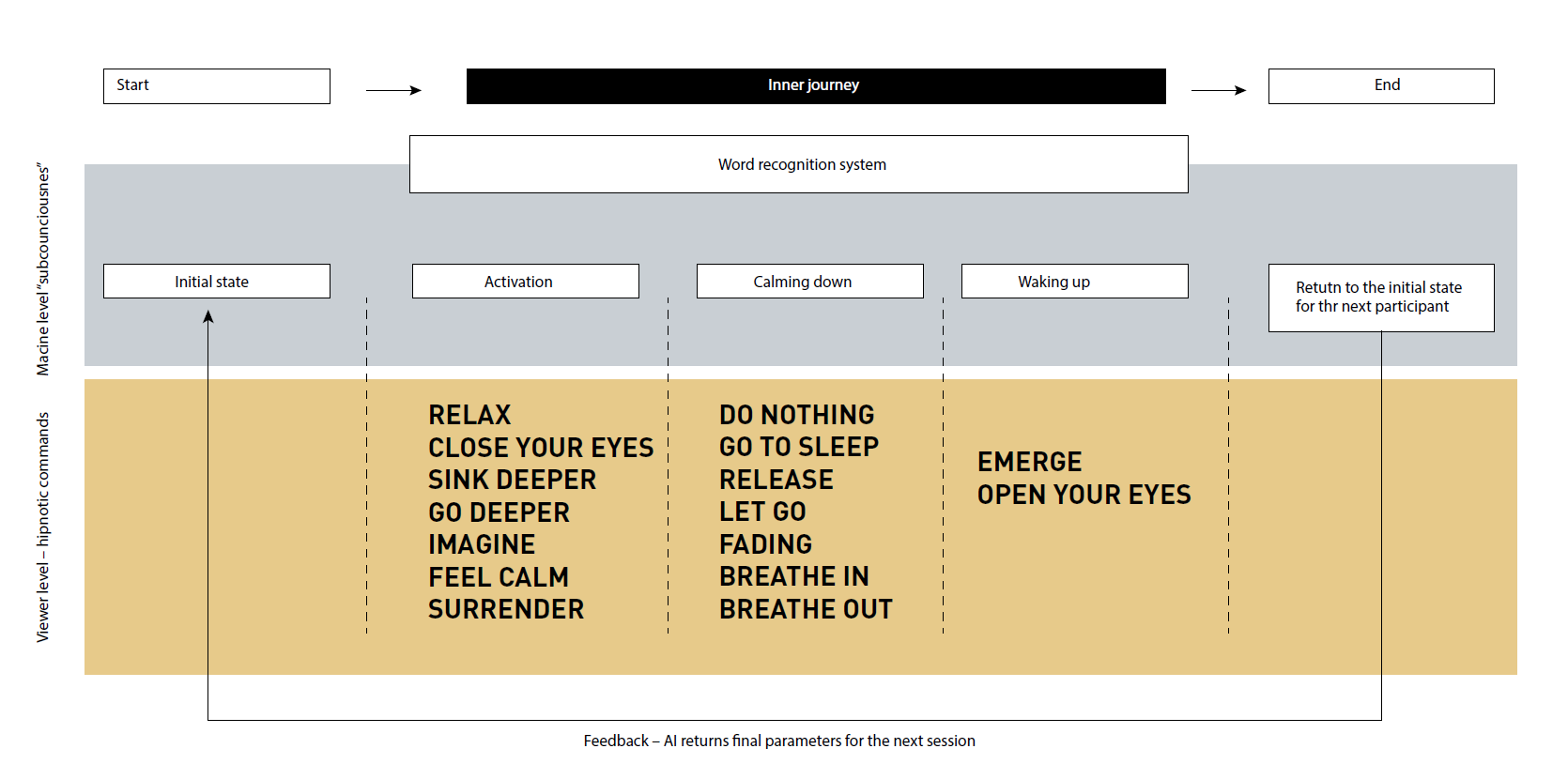
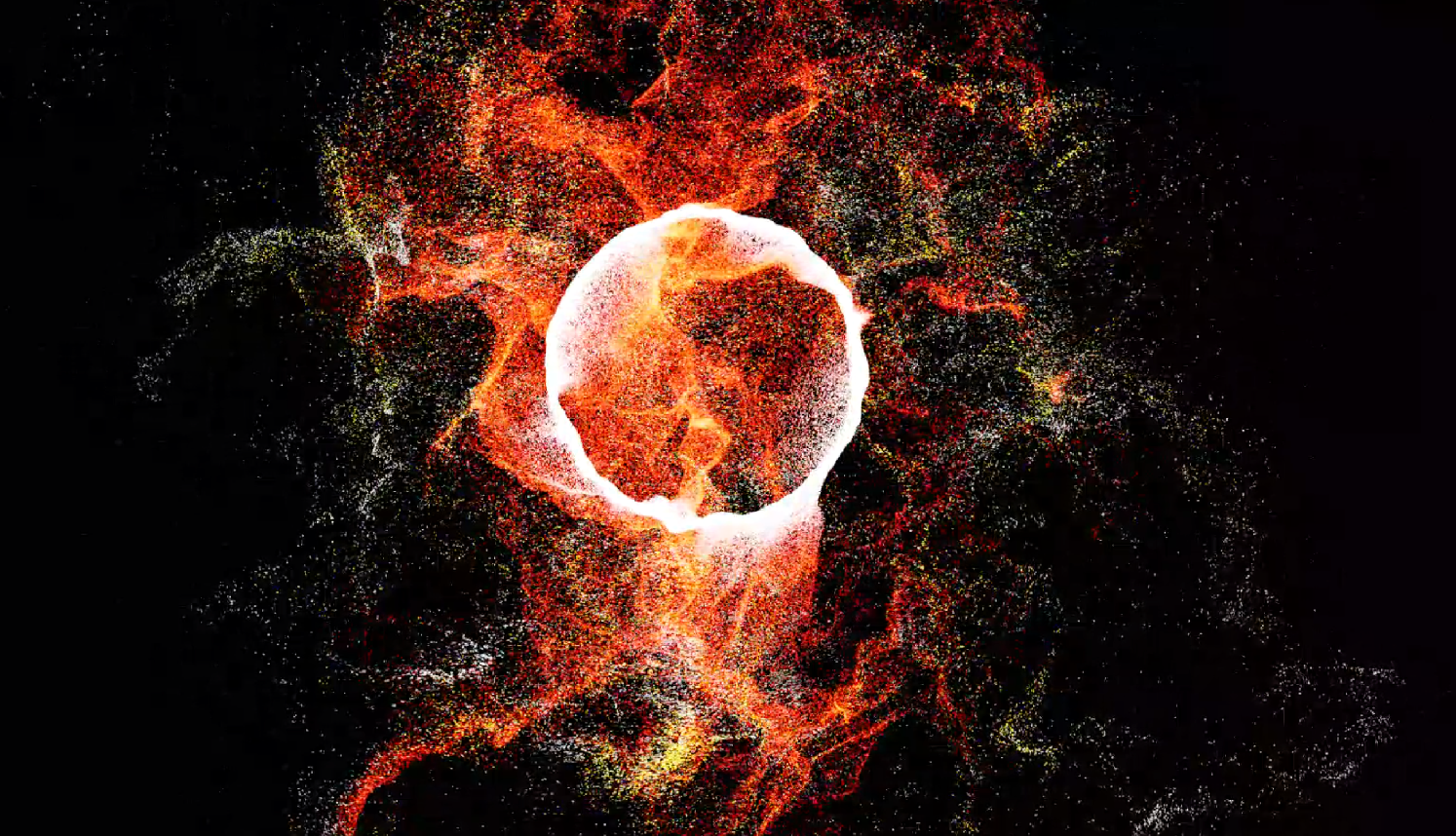
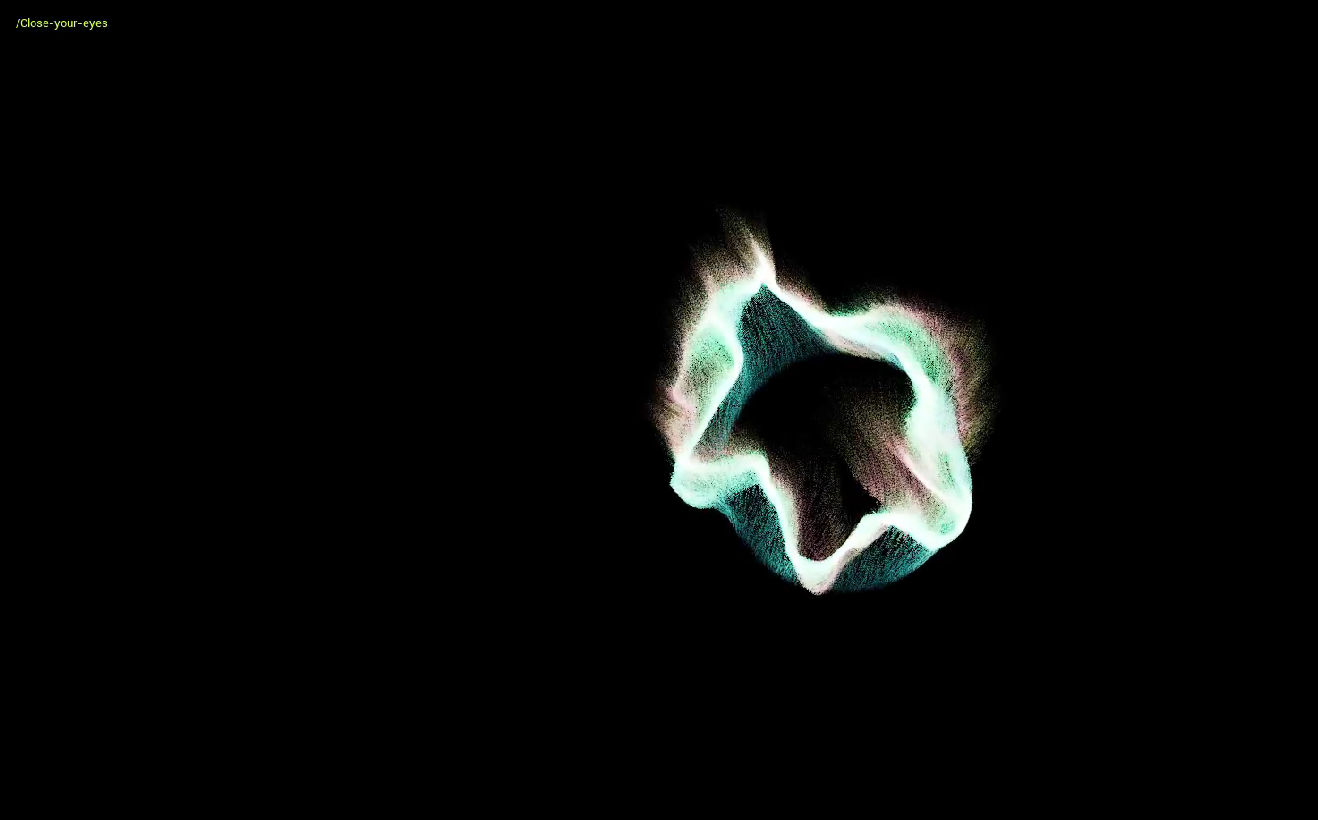
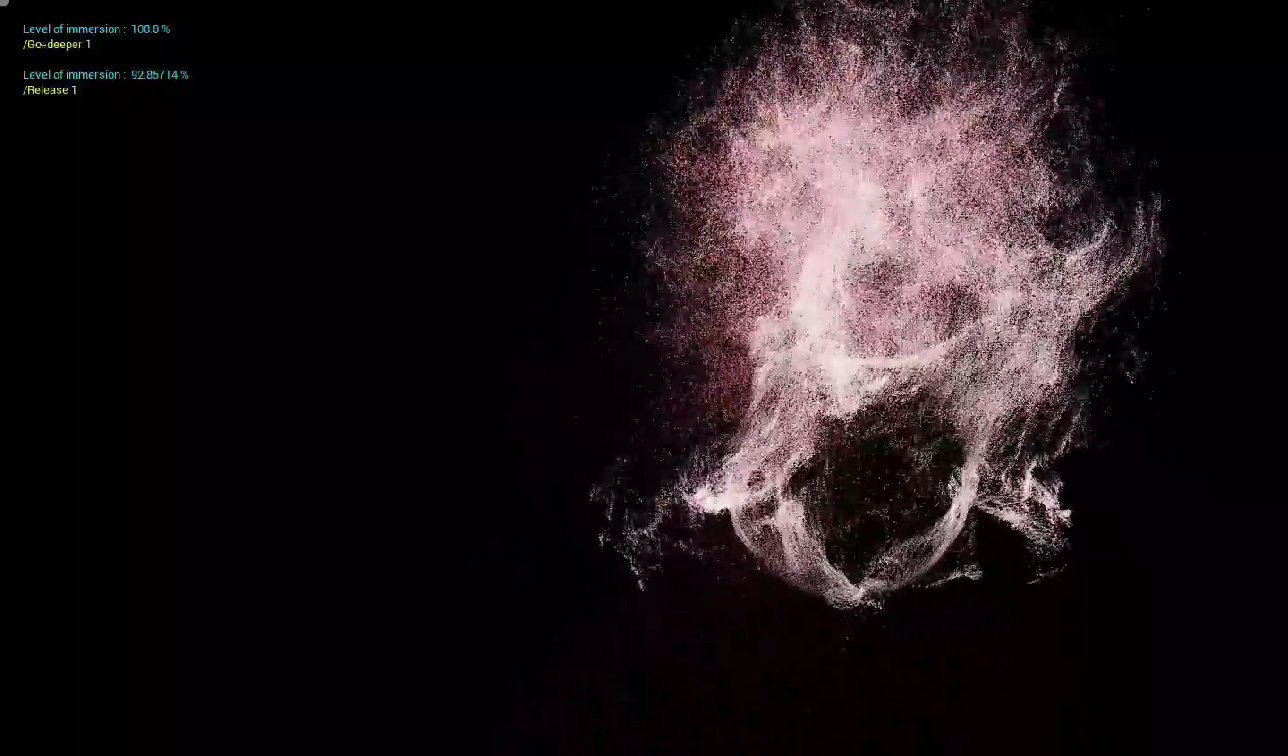
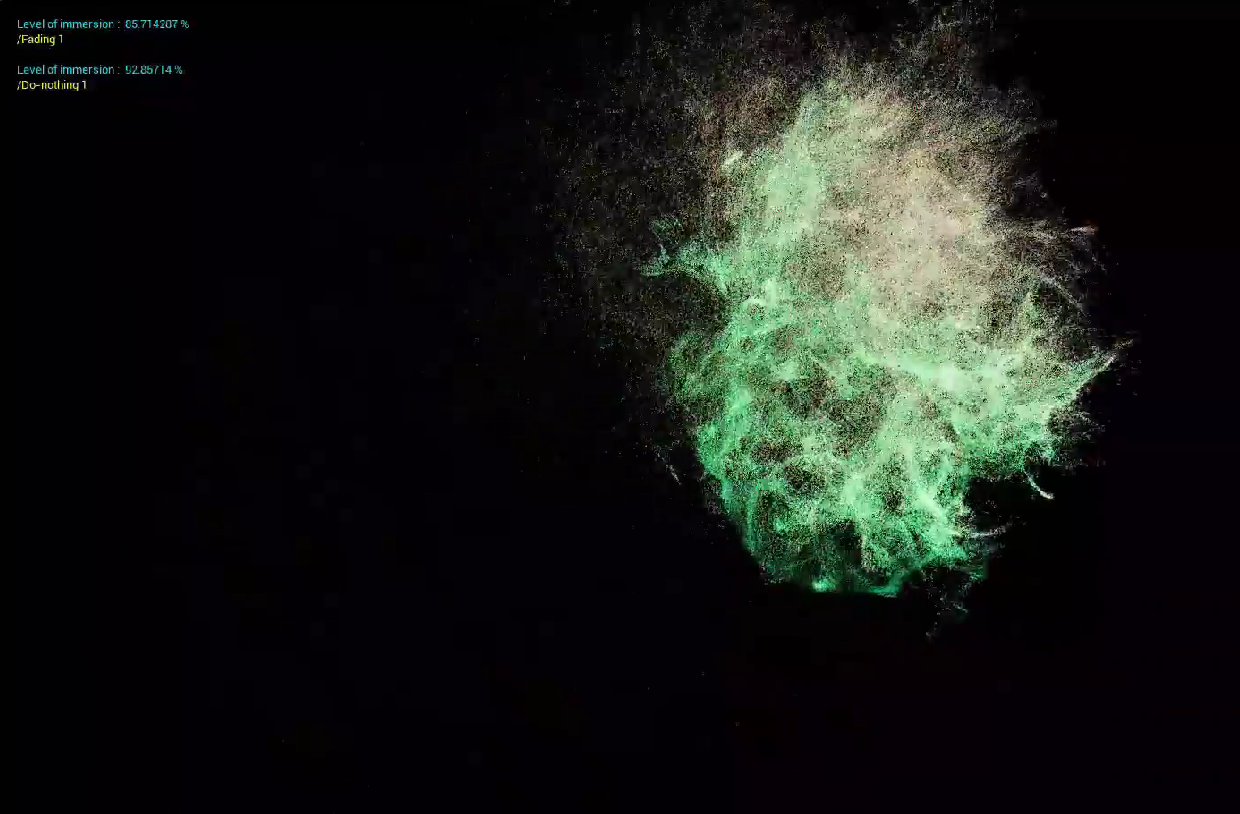
Using spoken hypnotic suggestions, participants guide the system through a sequence resembling hypnotic induction. The AI responds not with language but with evolving abstract visual environments, creating an experience that challenges habitual expectations about communication, agency, emotion, and machine intelligence.
Situated between media art, speculative design, AI research, and experimental therapeutic cultures, Hypnotic AI explores how interactions with non-human intelligence may produce new forms of perception, reflection, and emotional experience.
Hypnotic AI is simultaneously:
- an interactive art installation
- a patented technological invention
- a speculative design project
- an artistic research methodology
- a platform for studying emerging forms of human–AI interaction
The project combines artificial intelligence, hypnotic induction, speech recognition, generative visual systems, and qualitative audience research into a single interactive environment. Users who interact with the installation also contribute to an ongoing investigation into how people perceive artificial minds and how novel emotions may emerge in encounters with intelligent machines.
Unlike AI systems designed to imitate human empathy or therapeutic conversation, Hypnotic AI investigates what happens when artificial intelligence is allowed to remain genuinely other.
The project proposes that the value of AI may lie not in becoming increasingly human but in revealing alternative forms of cognition, perception, and emotional experience. Through hypnotic interaction, abstract visual responses, and deliberate mismatches between human intention and machine interpretation, the installation examines how new relationships with intelligent systems might be imagined.
As an ongoing artistic research project, Hypnotic AI collects qualitative data through participant observation and pre- and post-experience interviews conducted during exhibitions and public presentations. These studies explore changing perceptions of hypnosis, artificial intelligence, creativity, and emerging forms of human-machine emotion.


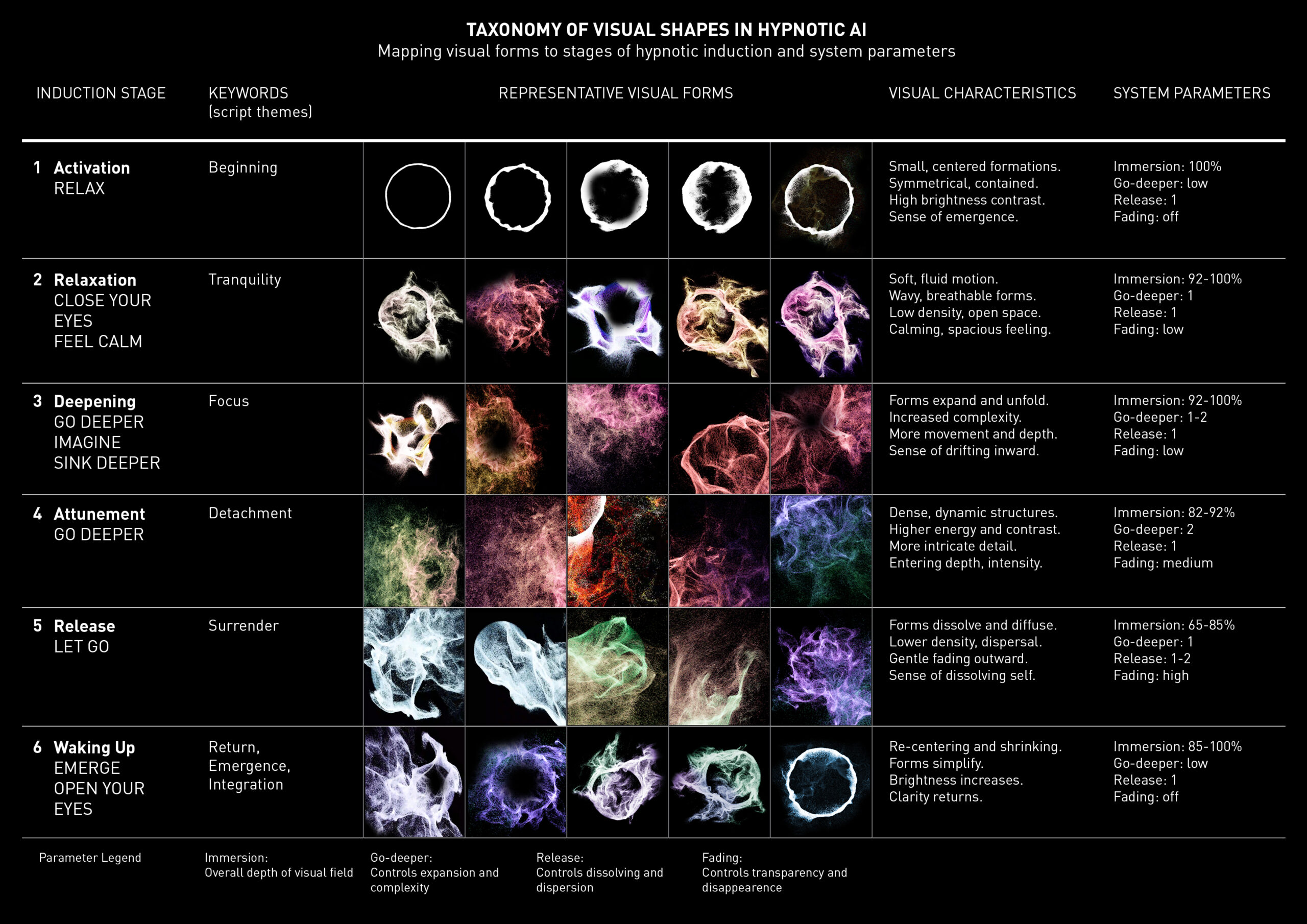
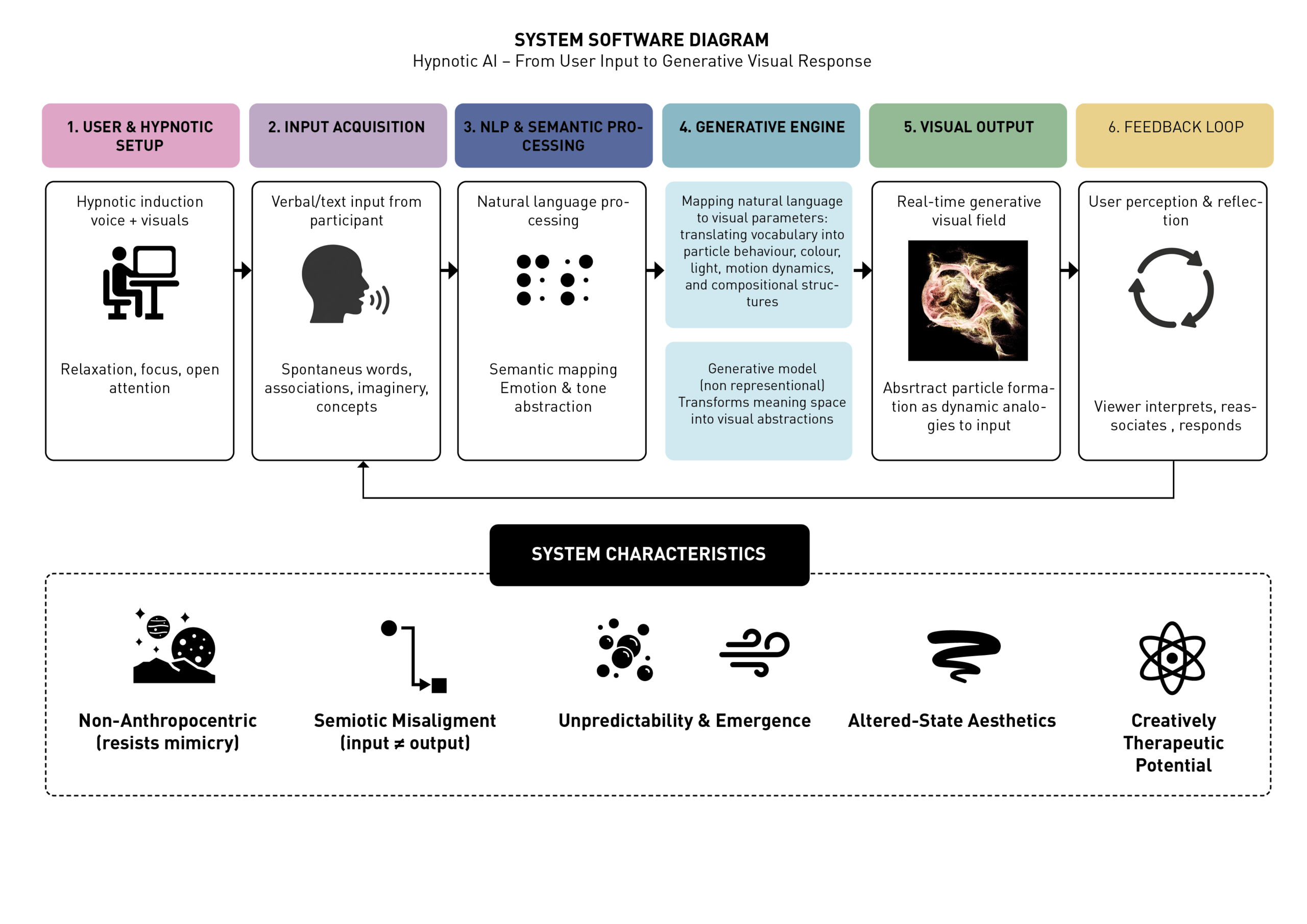
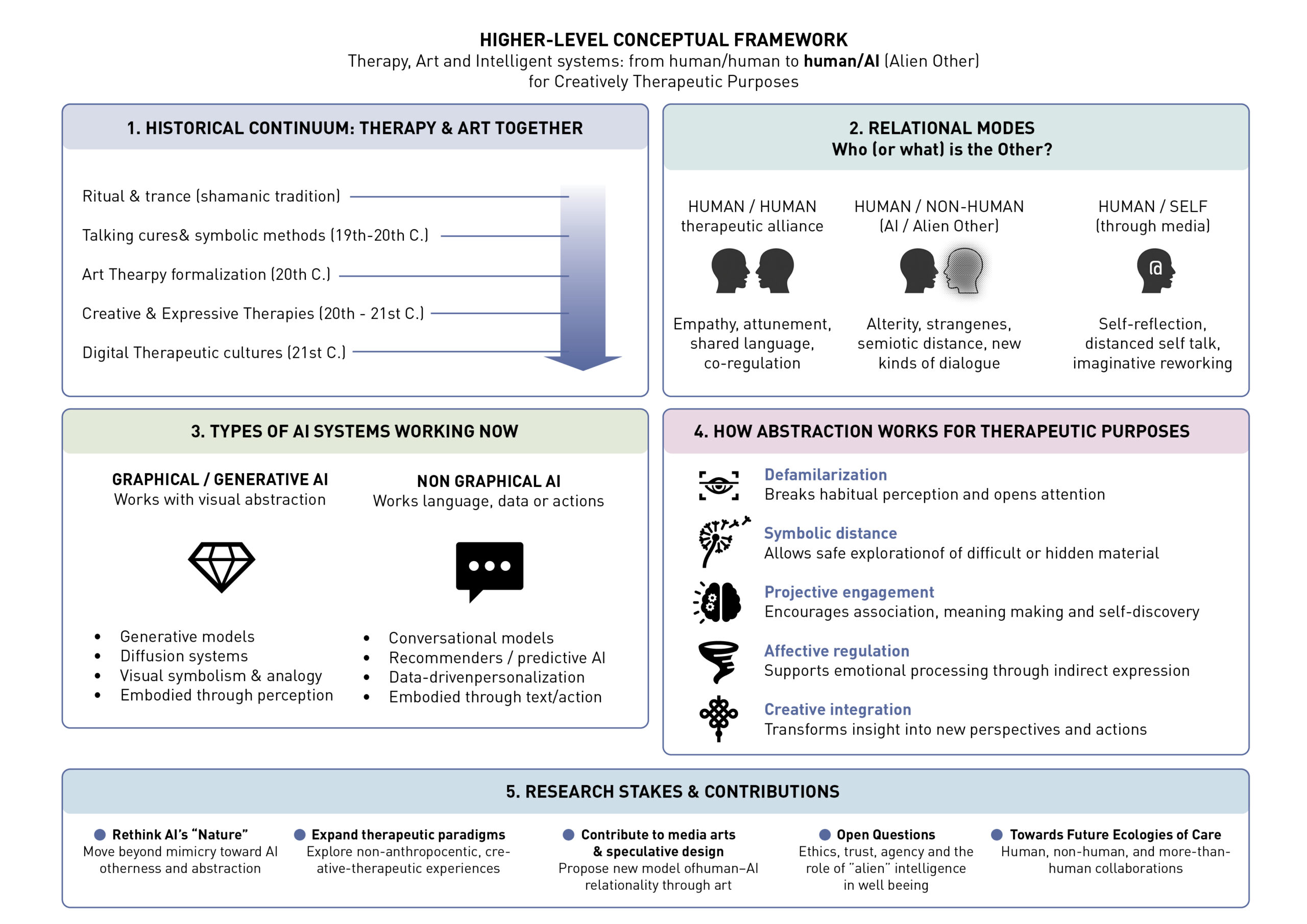
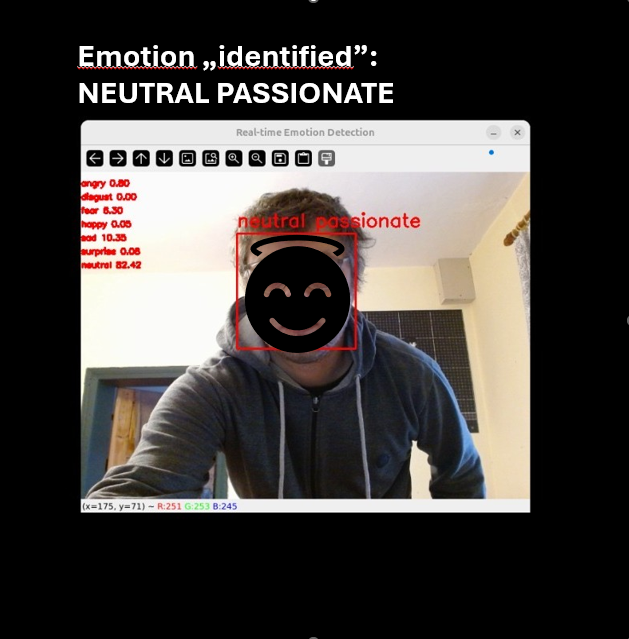
Versions
Version 1.0 / Patented (2022–2026): the original Hypnotic AI system combining hypnotic interaction, speech recognition, and AI-driven abstract visualisation. It was internationally patented in 2026 under South African Patent No. 2025/05870 and International Patent Application PCT/EP2024/066577 (WO/2025/252323).
https://www.youtube.com/watch?feature=shared&v=bhptkULpzkk
Version 2.0 / On View (2025–present): the follow-up model that expands the project through facial-expression analysis and experimental models of human–AI affect, investigating emotions that arise specifically in interactions with artificial intelligence rather than between humans.
Version 3.0 / In Progress: the forthcoming model that shifts the project towards a dedicated research device for studying human-AI affective experiences.
Exhibitions
2026
CK ZAMEK, AI: Algorytmy Iluzji, Poznań, Poland
2024
Shanghai Institute of Visual Arts, Shanghai, China
2024
Missouri University of Science and Technology, Rolla, Missouri, USA
2023
Arizona State University Campus Gallery, Tempe, Arizona, USA
2022
International Symposium on Electronic Art (ISEA), Barcelona, Spain
TYPE
Art, Research, Exhibition, Therapy
TEXT
“Hypnotic AI: A Speculative Design Interfacing Human and Artificial Altered States for Creatively Therapeutic Experiences”. Leonardo. (Malinowska, A. & Jasielski, P., forthcoming)
“AI States of Mind and Scaling the Technological Unconscious. Hypnotic AI Artwork and Experiment.” In Visions of Scale. Contemporary Art and the Technoscientific Universe. Bloomsbury. (Malinowska, A. 2026, 121-133)
“Hypnotic AI: The Altered States of Media Matter.” In Challenges of the Technological Mind. Between Philosophy and Technology. Palgrave (Malinowska, A. 2024, 121-137)
THEME
Speculative design